



Product overview
A dental crown is a custom-made cap that covers the entire visible surface of a damaged, decayed, or weakened tooth. It restores the tooth’s original shape, size, strength, and appearance — protecting it from further damage while blending naturally with surrounding teeth.
Our crowns are precision-milled from high-strength monolithic zirconia using 5-axis CAD/CAM technology, delivering a marginal fit of ≤80 microns and exceptional long-term durability. Each crown is shade-matched using the VITA shade system for a result that looks completely natural.
- Full tooth protection Covers the entire tooth above the gumline — shields cracks, decay, and sensitivity completely.
- Natural aesthetics VITA shade-matched zirconia mimics natural enamel translucency — virtually undetectable.
- Long-lasting strength Zirconia withstands up to 1,200 MPa flexural strength — suitable for front and back teeth alike.
What is a dental crown?
Definition & concept
A dental crown (also called a dental cap) is a fixed prosthetic restoration that encases the entire visible portion of a tooth from the gumline up. Once cemented in place, it becomes the tooth’s new outer surface — permanently bonded and functionally indistinguishable from a natural tooth.
Crowns are among the most common and versatile restorations in dentistry. They serve both restorative purposes (rebuilding broken or decayed teeth) and cosmetic purposes (improving shape, size, or colour of a tooth).
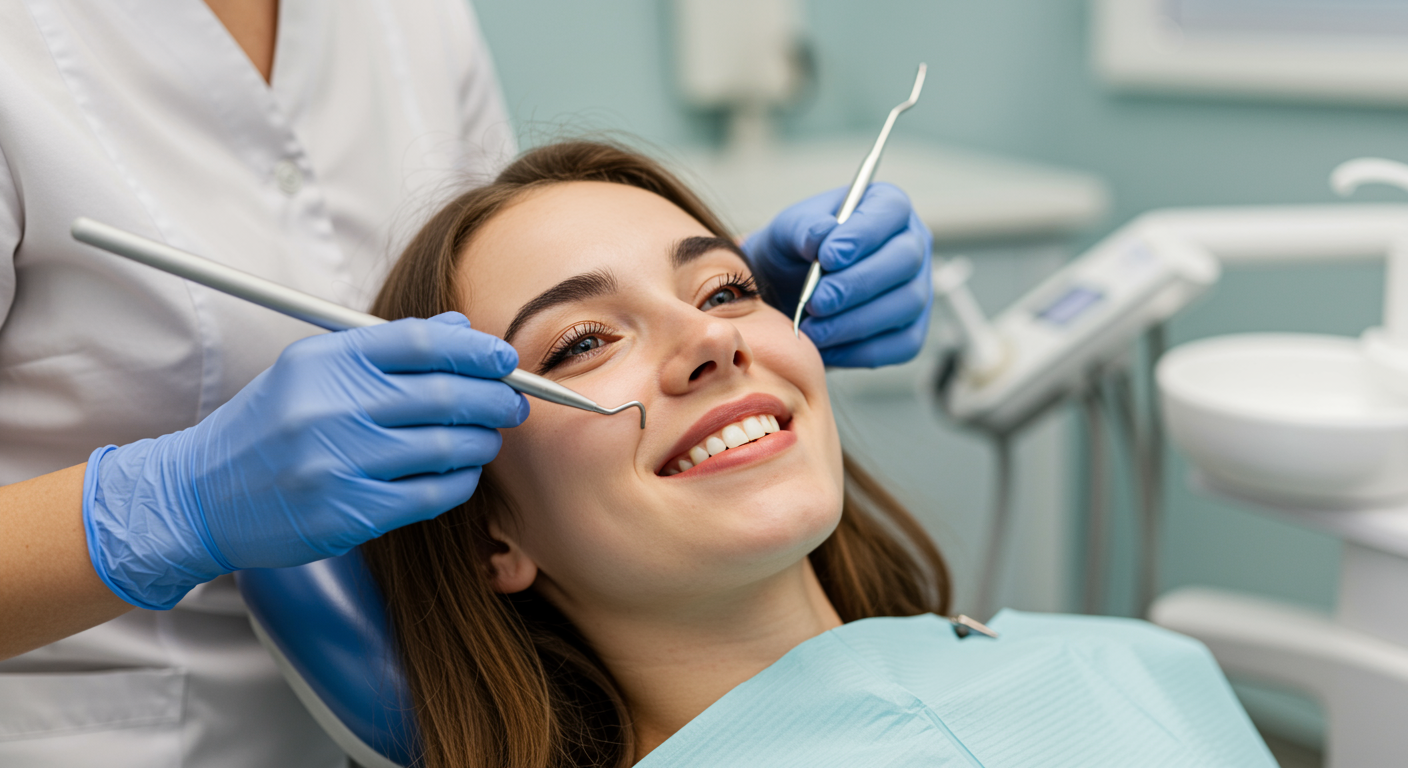
When is a dental crown needed?
Your dentist may recommend a crown in any of the following situations:
- A tooth with a large cavity that is too big for a filling to repair adequately
- A cracked or fractured tooth that is at risk of splitting further
- A tooth that has undergone root canal treatment (to protect the now-brittle tooth)
- A severely worn tooth due to bruxism (teeth grinding) or acid erosion
- To anchor a dental bridge - crowns cap the abutment teeth on either side of a gap
- To cover a dental implant - the crown is the visible, functional part of an implant restoration
- To improve appearance - reshape, resize, or change the colour of a tooth
Types of dental crowns
Crowns are available in several materials. The right choice depends on the tooth’s location, bite pressure, aesthetic requirements, and your budget.
Zirconia crown
The strongest and most aesthetic all-ceramic option. Metal-free, biocompatible, and highly durable. Suitable for front and back teeth.
Cost: $1,000–$1,700 | Life: 15–20+ yrs
PFM crown (porcelain-fused-to-metal)
Metal inner structure with a porcelain outer layer. Strong and aesthetic — a reliable mid-range option used widely for decades.
Cost: $800–$1,400 | Life: 10–15 yrs
All-ceramic / e.max
Lithium disilicate pressed ceramic. Superior translucency for front teeth. Ideal for patients wanting the most natural-looking result.
Cost: $1,000–$1,600 | Life: 10–15 yrs
Gold / metal alloy crown
Gold / metal alloy crown
Extremely durable and gentle on opposing teeth. Preferred for back molars where strength matters most and aesthetics are less critical.
Cost: $800–$1,500 | Life: 20–30+ yrs
Temporary crown (acrylic)
A short-term protective cap placed while the permanent crown is being fabricated in the dental lab. Not meant for long-term use.
Cost: Included in treatment | Life: 2–3 weeks
Key features & specifications
| Feature | Detail |
|---|---|
| Product name | Dental Crown - Full Coverage Restoration |
| Material options | Zirconia, PFM, e.max (lithium disilicate), Gold alloy |
| Coverage type | Full crown (360° full coverage) |
| Shade system | VITA Classical A1–D4 / VITA 3D-Master |
| Fabrication method | CAD/CAM 5-axis precision milling |
| Marginal fit accuracy | ≤ 80 microns |
| Flexural strength (zirconia) | Up to 1,200 MPa |
| Surface finish | Polished zirconia / glazed ceramic |
| Biocompatibility | ISO 10993-certified, metal-free option available |
| Cementation type | Permanent dental adhesive cement (resin or glass ionomer) |
| Sterilisation | Autoclave-safe, delivered sterile |
| Warranty | 2 years against manufacturing defects |
Procedure - step by step
What happens during crown treatment?
Getting a dental crown typically takes 2 dental visits over 1–2 weeks. Here is a complete walkthrough of the process:
1. Examination & X-ray
Your dentist assesses the tooth with X-rays to check the root, bone health, and extent of damage. They confirm a crown is the right treatment and discuss material options with you.
2. Tooth preparation under anaesthesia
The tooth is numbed with local anaesthesia and then reshaped – the outer surface is reduced by 1–2mm all around to make room for the crown. Any decay is removed at this stage.
3. Digital impression / intraoral scan
A precise digital scan (or traditional impression) captures the exact shape of the prepared tooth and surrounding teeth. This data is sent to the dental lab for crown fabrication.
4. Temporary crown placement
An acrylic temporary crown is cemented to protect the prepared tooth while your permanent crown is custom-milled in the laboratory — typically 7–14 days.
5. Try-in & adjustment
The permanent crown is placed on the tooth and checked for fit, bite alignment, and shade match. Minor adjustments are made chairside before final cementation.
6. Permanent cementation
Once approved, the crown is permanently bonded using dental cement. Excess cement is removed, and the bite is verified to ensure perfect occlusion.
7. Follow-up review
A follow-up appointment at 2 weeks ensures the crown is comfortable, the bite is correct, and the gum tissue around the crown is healthy.
Care & maintenance
How to care for your dental crown
A well-maintained zirconia crown can last 15–20 years or more. Follow these daily habits to protect your investment:
Daily hygiene
- Brush twice daily with a soft-bristle toothbrush and fluoride toothpaste
- Floss daily - clean around the gum margin of the crown carefully
- Use an antiseptic mouthwash to keep bacteria around the crown margin at bay
- Avoid abrasive toothpastes (such as whitening pastes) that may dull the ceramic surface
Habits to avoid
- Chewing ice, hard candy, or very hard foods that can crack ceramic
- Biting nails or opening packaging with your teeth
- Grinding or clenching - ask your dentist about a night guard if you grind in your sleep
- Consuming excessive staining beverages (coffee, red wine) without rinsing - especially with PFM crowns
Professional maintenance
Visit your dentist every 6 months for a professional clean and to check the crown’s cement seal, fit, and the health of the surrounding gum tissue. Early detection of any loosening can prevent more complex problems.
Frequently asked questions
1. Is getting a dental crown painful?
Ans. The procedure is performed under local anaesthesia, so you will not feel pain during preparation. Some sensitivity to hot, cold, or pressure is normal for a few days after the appointment and typically resolves on its own.
2. How long does a dental crown last?
Ans. With good oral hygiene and regular dental visits, a zirconia crown lasts 15–20+ years. PFM crowns average 10–15 years. Gold crowns can last 20–30 years. The longevity depends heavily on the patient’s bite, oral hygiene, and habits such as grinding.
3. What is the difference between a crown and a veneer?
Ans. A veneer covers only the front surface of a tooth and is used purely for cosmetic improvement. A crown encases the entire tooth and is used for both restorative and cosmetic purposes. Crowns require more tooth reduction but offer full structural protection.
4. Do I always need a crown after a root canal?
Ans. In most cases, yes. Root canal treatment removes the pulp from inside the tooth, leaving it more brittle and prone to fracture. A crown protects the tooth and restores its full function. Front teeth may sometimes be restored with just a filling, but back teeth almost always need a crown.
5. Can a crown fall off?
Ans. It is uncommon but possible – usually due to cement wash-out, a very small remaining tooth structure, or trauma. If a crown comes loose, contact your dentist immediately. Do not attempt to re-cement it yourself. Keep the crown safe and bring it to your appointment.

