


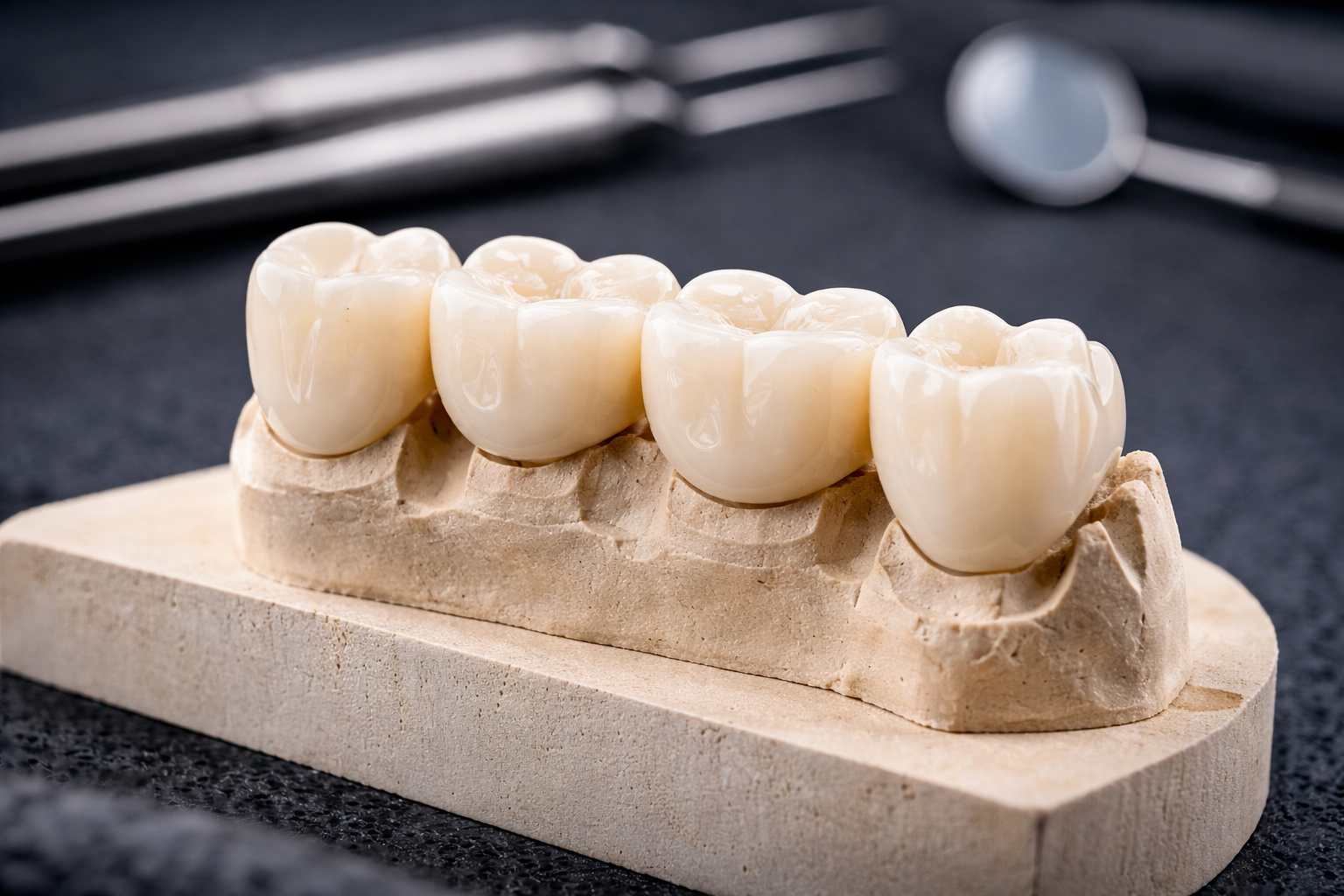
Precision-engineered dental bridges designed to restore missing teeth with superior strength, aesthetics, and long-term performance.
Specifications
- Material Options: Zirconia, PFM, Full Metal
- Indications: Single to multiple missing teeth
- Connector Height: Minimum 3.5 mm
- Prep Requirement: 0.5 – 1.2 mm
- Strength: High fracture resistance
- Application: Anterior & Posterior
The Science of Dental Bridges
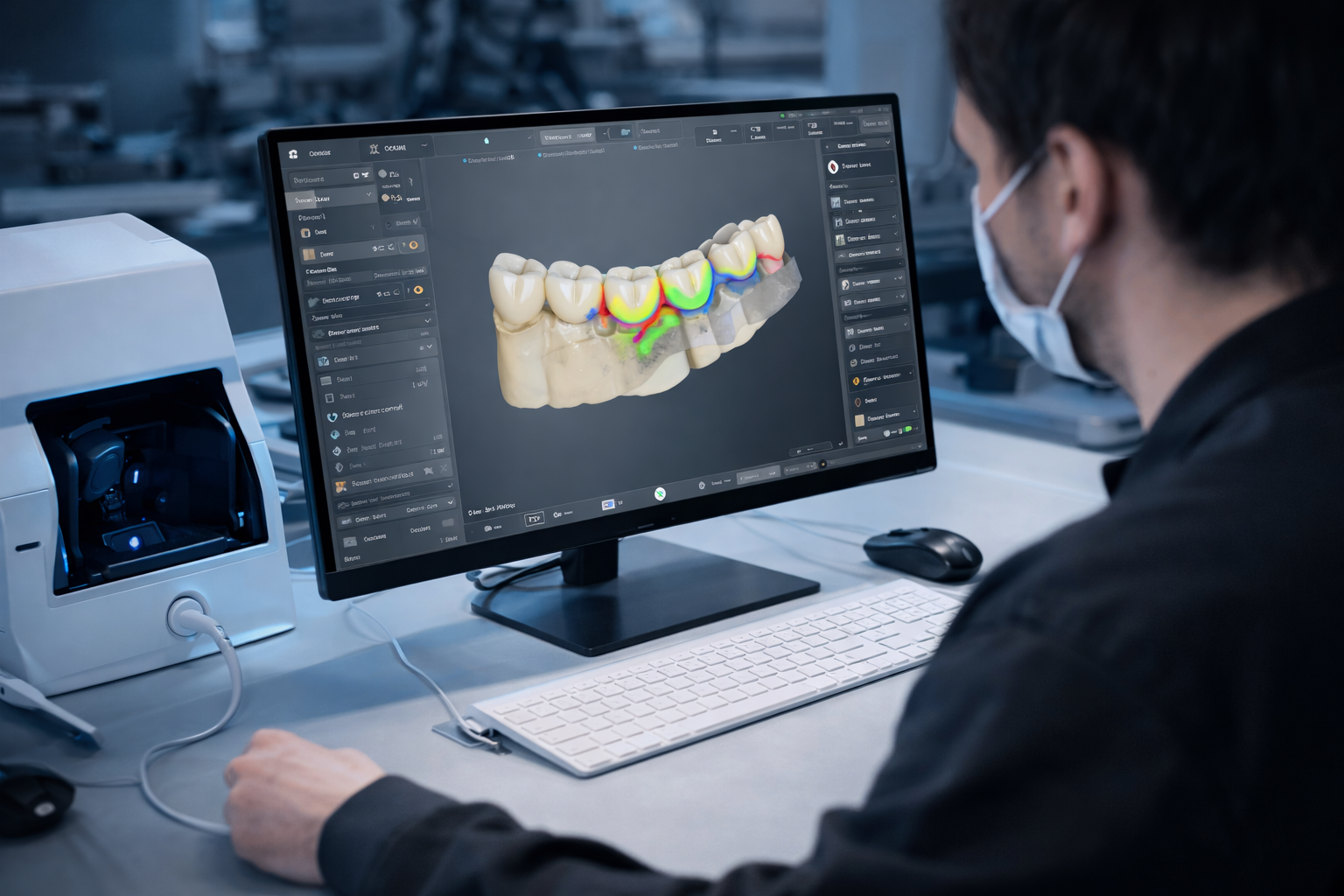
Dental bridges are fixed prosthetic solutions used to replace one or more missing teeth by anchoring to adjacent natural teeth or implants. At AZTech Dental Lab, we combine digital precision with advanced material science to create restorations that ensure optimal occlusion, structural integrity, and aesthetic harmony.
Types of Dental Bridges
- Traditional Bridges: Supported by adjacent teeth, ideal for stable replacement.
- Cantilever Bridges: Used when support is available only on one side.
- Maryland Bridges: Resin-bonded, minimally invasive solution.
- Implant-Supported Bridges: Maximum stability and long-term durability.
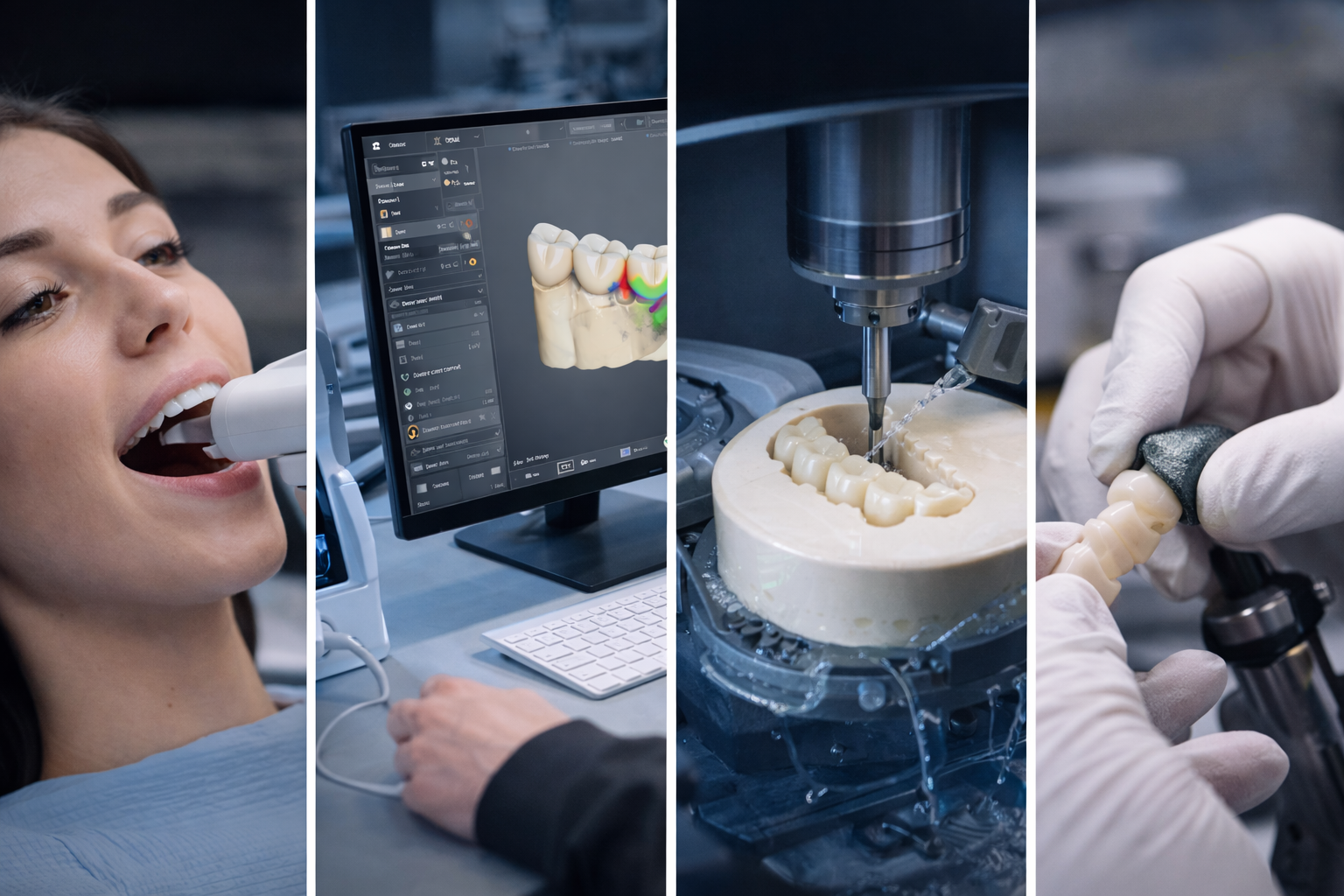
Clinical Workflow & Coordination
- Digital Intake: Intraoral scan or physical model validation
- CAD Design: Precise bridge framework modeling
- Material Selection: Zirconia, PFM, or metal alloys
- CAM Manufacturing: Milling, finishing, and polishing
Material & Structural Engineering
Our bridges are fabricated using high-performance materials such as zirconia and metal alloys. Each restoration is digitally engineered to ensure balanced load distribution, minimal stress concentration, and long-term clinical reliability.
Preparation Metrics
| Type | Marginal Prep | Occlusal Reduction |
|---|---|---|
| PFM Bridge | 1.0 – 1.2 mm | 1.5 – 2.0 mm |
| Zirconia Bridge | 0.5 – 0.7 mm | 0.8 – 1.0 mm |
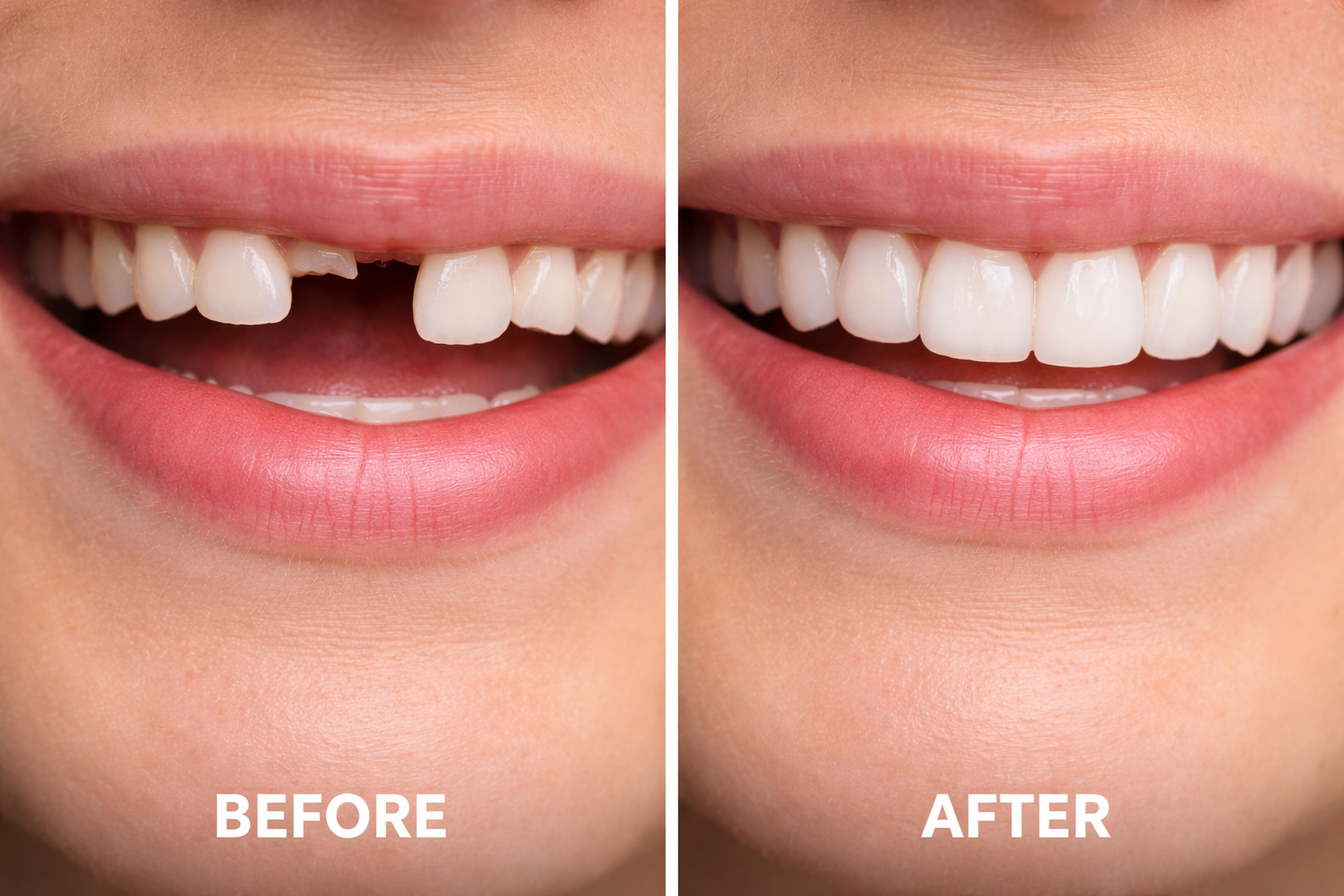
Clinical Outcome & Aesthetics
Our dental bridges are designed to deliver natural aesthetics, functional stability, and long-term patient satisfaction. Each restoration is crafted to seamlessly blend with surrounding dentition.
Technical Advisory
For long-span bridges, maintaining a connector height of at least 3.5 mm is critical for structural integrity. Proper occlusal planning and material selection significantly impact long-term success.

