


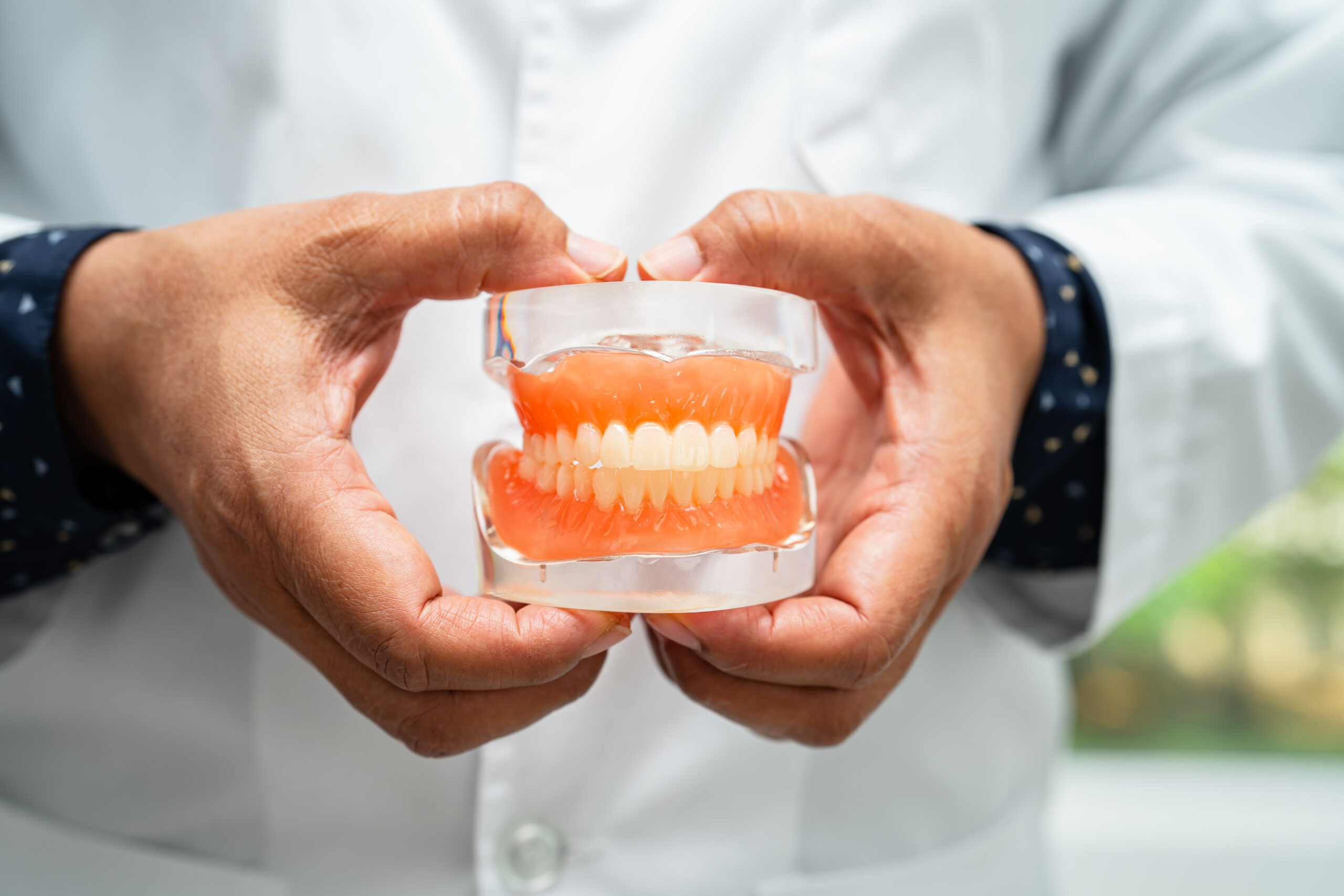
Removable Denture Solutions
Advanced removable prosthetic solutions designed to restore oral function, comfort, and aesthetics with precision fit and long-term reliability.
Specifications
- Types: Complete Dentures, Partial Dentures, Flexible Dentures
- Material: Acrylic, Flexible Polymer, Metal Framework
- Retention: Tissue-supported / Implant-supported
- Fit: Custom-designed for each patient
- Application: Partial or complete tooth loss
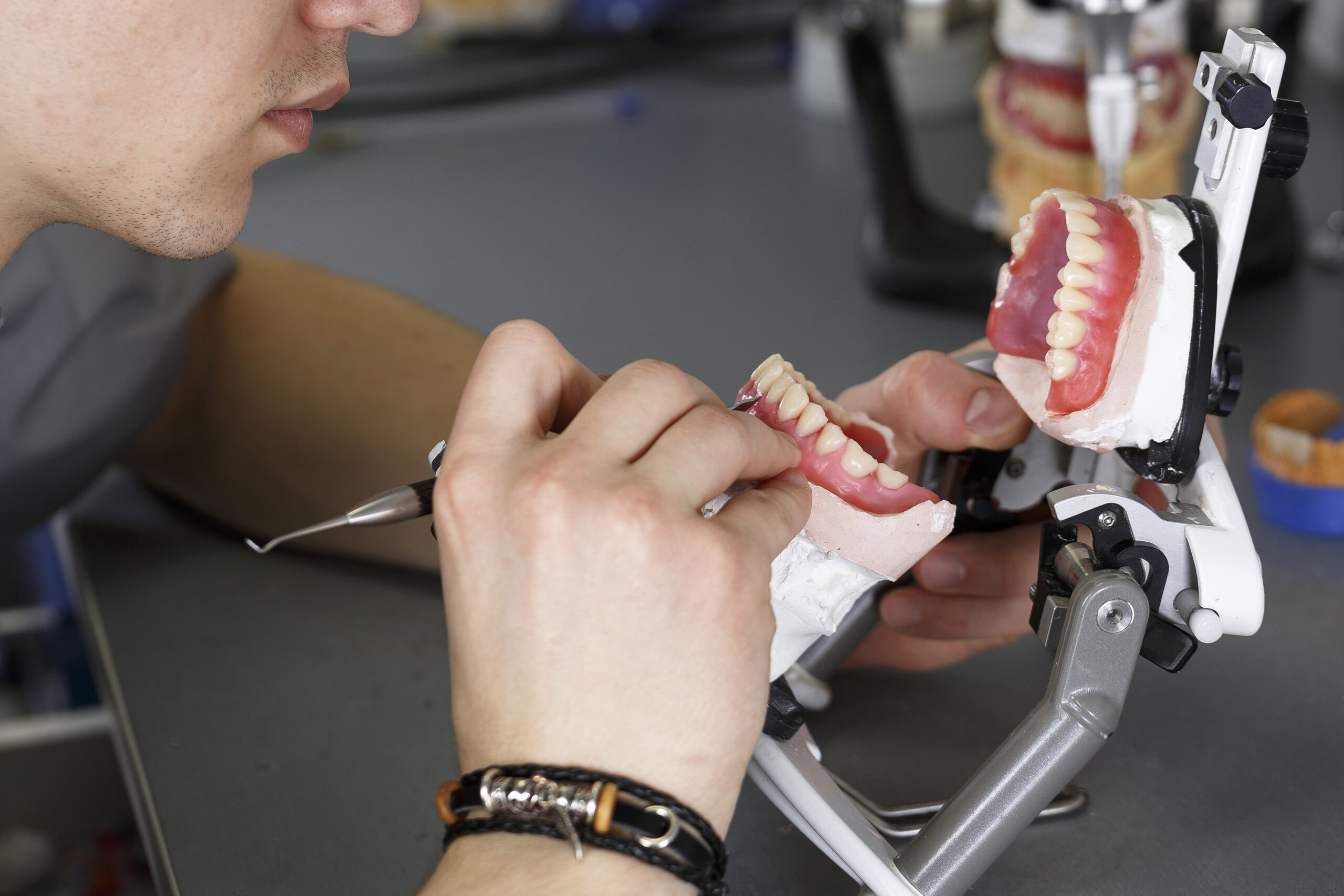
The Science of Removable Prosthetics
Removable dentures are prosthetic devices designed to replace missing teeth and surrounding tissues while allowing easy removal for cleaning and maintenance. Modern removable solutions go beyond traditional designs by incorporating advanced materials and digital workflows to improve fit, comfort, and aesthetics. Properly designed dentures distribute functional loads evenly across oral tissues, reducing pressure points and enhancing long-term usability.
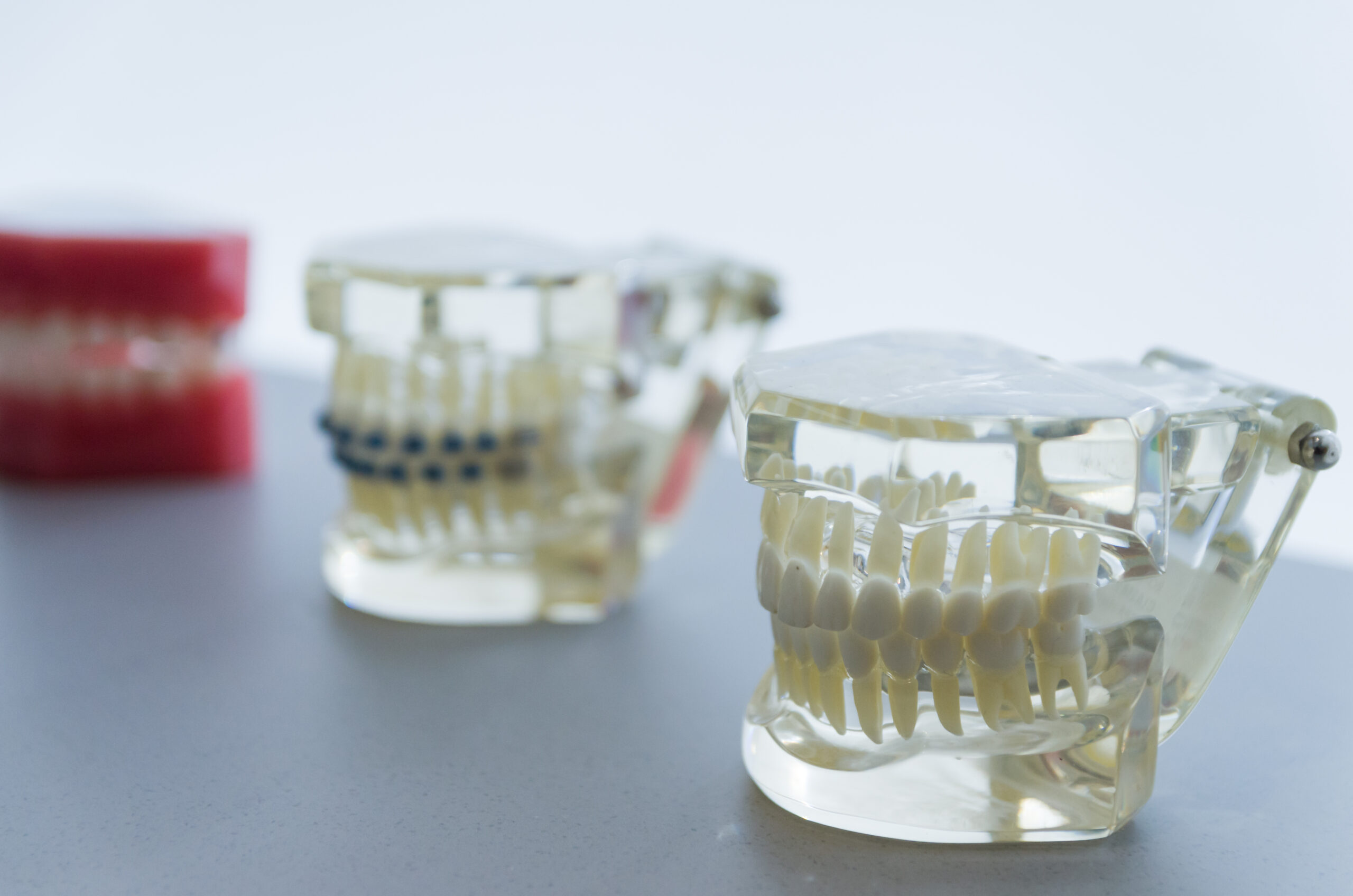
Types of Removable Dentures
Different removable solutions are available depending on the extent of tooth loss and clinical requirements. Each type is designed to balance comfort, retention, and durability.
- Complete Dentures: Full arch replacement for edentulous patients
- Partial Dentures: Replaces multiple teeth using metal or flexible framework
- Flexible Dentures: Lightweight and highly comfortable solution
- Implant-Supported Dentures: Enhanced retention and stability

Clinical Workflow & Coordination
A precise clinical workflow is essential to ensure proper fit, occlusion, and patient comfort. Each step is carefully executed to achieve a functional and aesthetic prosthesis.
- Initial Impression: Accurate capture of oral anatomy
- Bite Registration: Establishing correct jaw relation
- Trial Setup: Wax try-in for fit and aesthetics validation
- Final Fabrication: Processing, finishing, and polishing
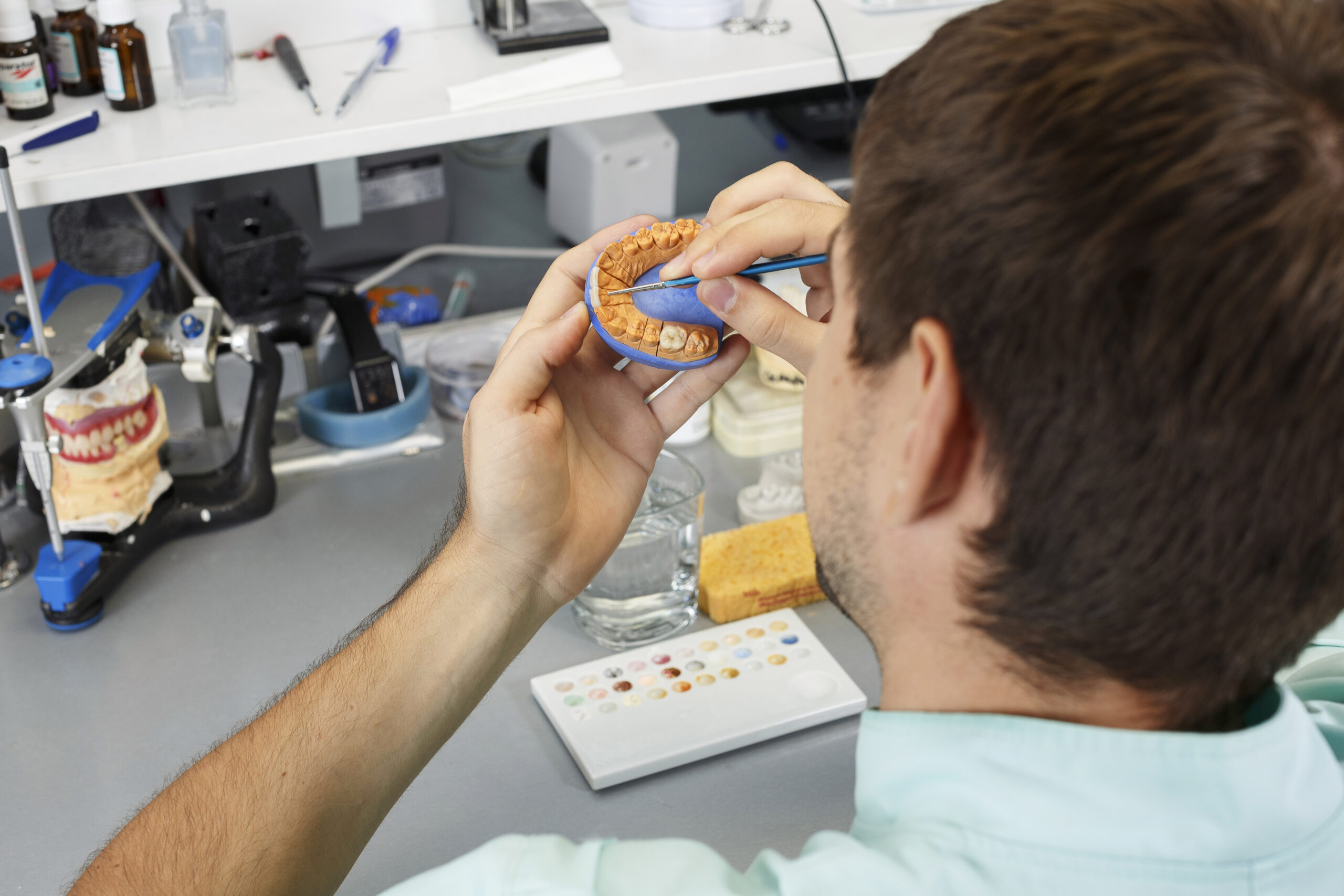
Material & Design Engineering
Modern removable prosthetics utilize advanced materials to enhance strength, comfort, and aesthetics. Acrylic bases provide durability and ease of adjustment, while flexible polymers offer improved comfort and adaptability. Metal frameworks are used in partial dentures to increase strength and structural support. Each design is optimized to ensure balanced load distribution and minimize tissue irritation.
- Acrylic for durability and ease of repair
- Flexible materials for comfort and aesthetics
- Metal frameworks for structural strength
Denture Specifications & Metrics
| Type | Material | Key Benefit |
|---|---|---|
| Complete Denture | Acrylic | Full arch restoration |
| Partial Denture | Metal / Flexible | Durability & retention |
| Flexible Denture | Polymer | Comfort & aesthetics |
| Implant Denture | Acrylic + Attachments | Enhanced stability |
Clinical Outcome & Aesthetics
Modern dentures are designed to deliver a natural appearance along with functional efficiency. With precise fabrication and proper fitting, patients experience improved comfort, speech, and confidence. A well-designed denture integrates seamlessly with facial structure, restoring both function and aesthetics.
Technical Advisory
The success of removable prosthetics depends heavily on accurate impressions, proper occlusion, and balanced load distribution. Poorly fitted dentures can lead to discomfort, tissue irritation, and reduced functionality. It is essential to ensure correct vertical dimension and jaw relation during fabrication to avoid long-term complications. Material selection should be based on patient-specific needs, considering factors such as flexibility, durability, and aesthetic expectations. Regular follow-ups and adjustments are recommended to maintain optimal fit and function over time, especially as oral structures naturally change.

